RCT IN PURNIA
Painless RCT in Purnia|APEX DENTAL CLINIC (Root Canal Treatment): How to Save Natural Tooth
Tooth pain rarely happens at a convenient time. That sudden, throbbing ache when sipping cold water or chewing on one side of your mouth is usually a sign that bacteria have breached the outer enamel and reached the sensitive inner nerve.
While the words "root canal" used to cause immediate anxiety, modern endodontic technology has completely transformed the procedure. Today, a root canal treatment (RCT) is no more uncomfortable than getting a routine dental filling—and it remains the single best way to eliminate pain while saving your natural tooth.
What Is a Root Canal Treatment?
Beneath the outer enamel and dentin layers sits the dental pulp—a living centre composed of nerves, blood vessels, and specialised tissue. When deep decay, hairline tooth fractures, or accidental trauma let oral bacteria enter this chamber, the pulp becomes inflamed (pulpitis) or develops an abscess.
A root canal procedure removes the diseased nerve tissue, thoroughly sanitises and shapes the internal canal spaces, and hermetically seals the hollow chamber to block future microbial contamination.
Key Signs You Need Root Canal Therapy
An infected nerve will not heal on its own. Common warning indicators include:
Spontaneous, throbbing tooth pain that intensifies when lying flat at night.
Prolonged thermal sensitivity to hot chai, soups, or cold drinks that lingers for several minutes.
Localised swelling or a gum boil (pimple) along the gumline near the painful tooth.
Dark discolouration or greying of a single tooth after trauma or untreated cavities.
Biting sensitivity and tenderness when pressure is applied while eating.
Step-by-Step: The Modern RCT Workflow
Modern endodontic protocols leverage digital apex locators, mechanised nickel-titanium rotary files, and local anaesthetic buffers to maximise patient comfort and shorten chair time.
Step Clinical Action Patient Experience
1. Digital X-Ray & Exam High-precision digital radiography pinpoints canal anatomy and depth of bone loss. Zero contact; fast, low-radiation imaging.
2. Targeted Local Anesthesia Modern anaesthetic agents numb the nerve branches completely. Mild initial pinch; tooth is fully numb within minutes.
3. Debridement & Shaping Rotary files remove diseased pulp and disinfect the micro-canals with irrigants. Vibration sensation with no pain.
4. Biocompatible Sealing Canals are filled and sealed with thermoplastic gutta-percha. Ensures a permanent barrier against reinfection.
Healthy Tooth ➔ Deep Decay Reaches Nerve ➔ Pulp Removed & Disinfected ➔ Sealed & Crowned
5 Warning Signs You Might Need an RCT
A routine checkup can spot early pulp damage, but you should visit a dentist promptly if you notice the following:
Persistent, throbbing pain that worsens when lying down or chewing.
Lingering sensitivity to hot or cold foods and drinks that lasts long after contact.
Swollen or tender gums near the affected tooth, sometimes resembling a small pimple (abscess).
Tooth discolouration, where the tooth turns greyish or dark.
Loose tooth sensation caused by bone support loss around an infected root tip.
Step-by-Step: The Modern, Painless RCT Process
With rotary endodontics, digital apex locators, and localised numbing agents, most root canals in modern dental clinics are completed in just one or two visits.
Stage What Happens
1. Digital Diagnosis High-resolution X-rays assess the root structure and infection depth.
2. Painless Anesthesia Local anaesthesia numbs the area completely so you feel zero discomfort.
3. Canal Cleaning A tiny access hole is made, and micro-instruments remove infected pulp.
4. Sealing & Filling Canals are sanitised and filled with a biocompatible material called gutta-percha.
5. Crown Placement A custom ceramic or zirconia dental crown is placed to restore full chewing strength.
Why Saving Your Natural Tooth Beats an Extraction
Some patients ask if simply pulling the tooth is faster or cheaper. While extraction removes the immediate source of pain, it introduces new long-term problems:
Neighbouring Teeth Shift: Gaps cause surrounding teeth to tilt and drift, disrupting your natural bite.
Bone Loss: Without a tooth root stimulating the jawbone, localised bone begins to resorb over time.
Higher Replacement Costs: Replacing a missing tooth with a dental implant or bridge is significantly more expensive and invasive than preserving your existing tooth with an RCT.
Caring for Your Tooth After Treatment
Avoid hard chewing on the treated side until the permanent crown is fully fitted.
Maintain daily oral hygiene by brushing twice daily with fluoride toothpaste and flossing carefully around the crown.
Schedule bi-annual cleanings to keep surrounding gum tissue healthy and ensure your restoration remains intact.
If you are dealing with persistent dental pain in Purnia, seeking early treatment prevents infections from spreading into the jawbone and ensures your smile stays intact for years to come.
PAINLESS RCT IN PURNIA
RCT IN PURNIA 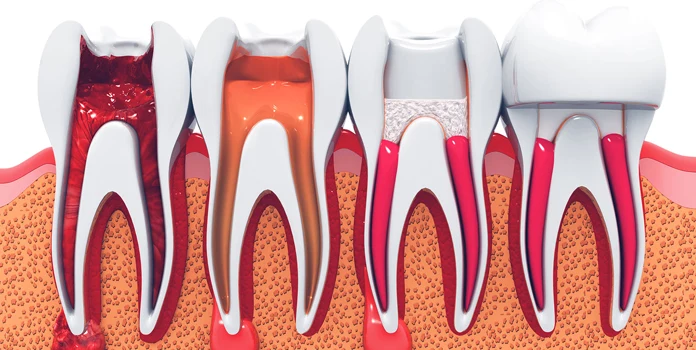
Comments
Post a Comment